
Just Added: 20+ NRAC Aquaculture Fact Sheets Now Available

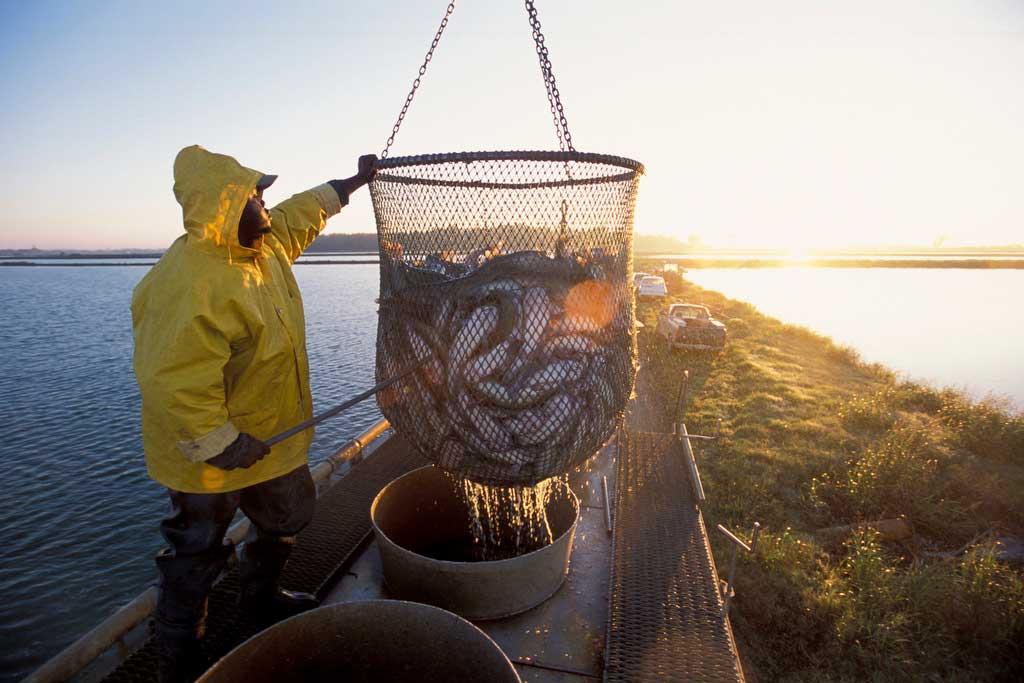
We’ve expanded the AIE Resource Library with more than 20 practical aquaculture fact sheets and guides from the Northeastern Regional Aquaculture Center (NRAC)—now available for all members to access.
These science-based resources are designed for aquaculture professionals, educators, researchers, and policy makers working in the northeastern U.S. and beyond.
Whether you’re managing a shellfish farm, working in education or outreach, or just getting started with a new aquaculture venture, you’ll find actionable insights in this new collection.
What’s Included?
The new batch of NRAC aquaculture fact sheets includes practical, research-driven information on:
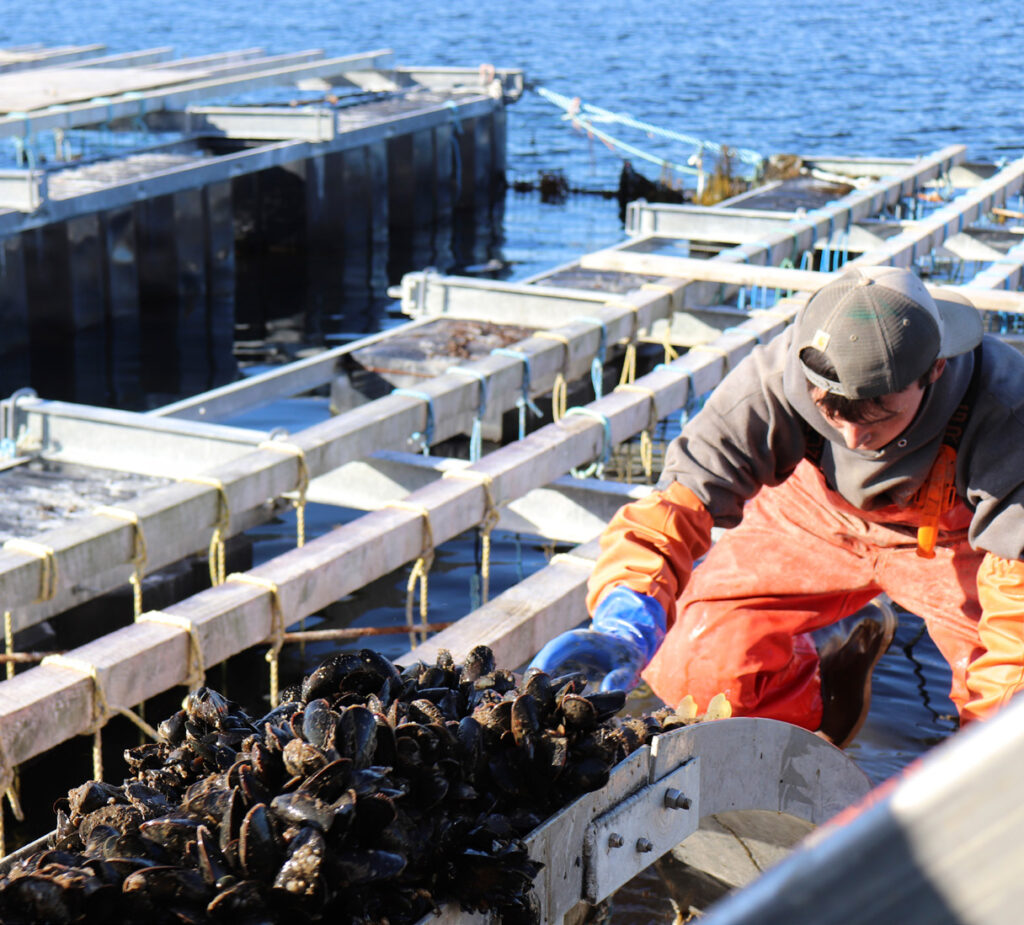
- Shellfish farming: bay scallops, clams, oysters, and mussels
- Finfish and baitfish production
- Aquaculture biosecurity and fish health
- White worm cultivation for live feed
- Marketing strategies and aquaculture cooperatives
- Harmful algal blooms and environmental risks
Featured Aquaculture Fact Sheets
1. White Worms as a High-Value Live Feed
White worms (Enchytraeus albidus) are emerging as a flexible, sustainable live feed option for both aquaculture and ornamental species. We’ve uploaded two NRAC fact sheets that walk you through how to grow them using simple indoor systems and household organic waste like coffee grounds or spent grain.
These aquaculture fact sheets also summarize a research trial that distributed over 250,000 worms to research facilities and commercial entities across the U.S. The findings found that white worms triggered a stronger feeding responses in some species, including clownfish, tangs, sturgeon, and betta. They are rich in protein (up to 69%) and lipids (up to 27%) and can be enriched with supplements like salmon oil to boost their DHA levels. For growers raising ornamental or larval species, white worms offer an affordable, easy-to-manage alternative to traditional live feeds—and they don’t compromise water quality.
Download the Fact Sheets:
- How to Grow White Worms (2017)
- White Worms – A Low Cost Live Feed for the Ornamental Industry (2017)
2. Lumpfish Hatchery Handbook
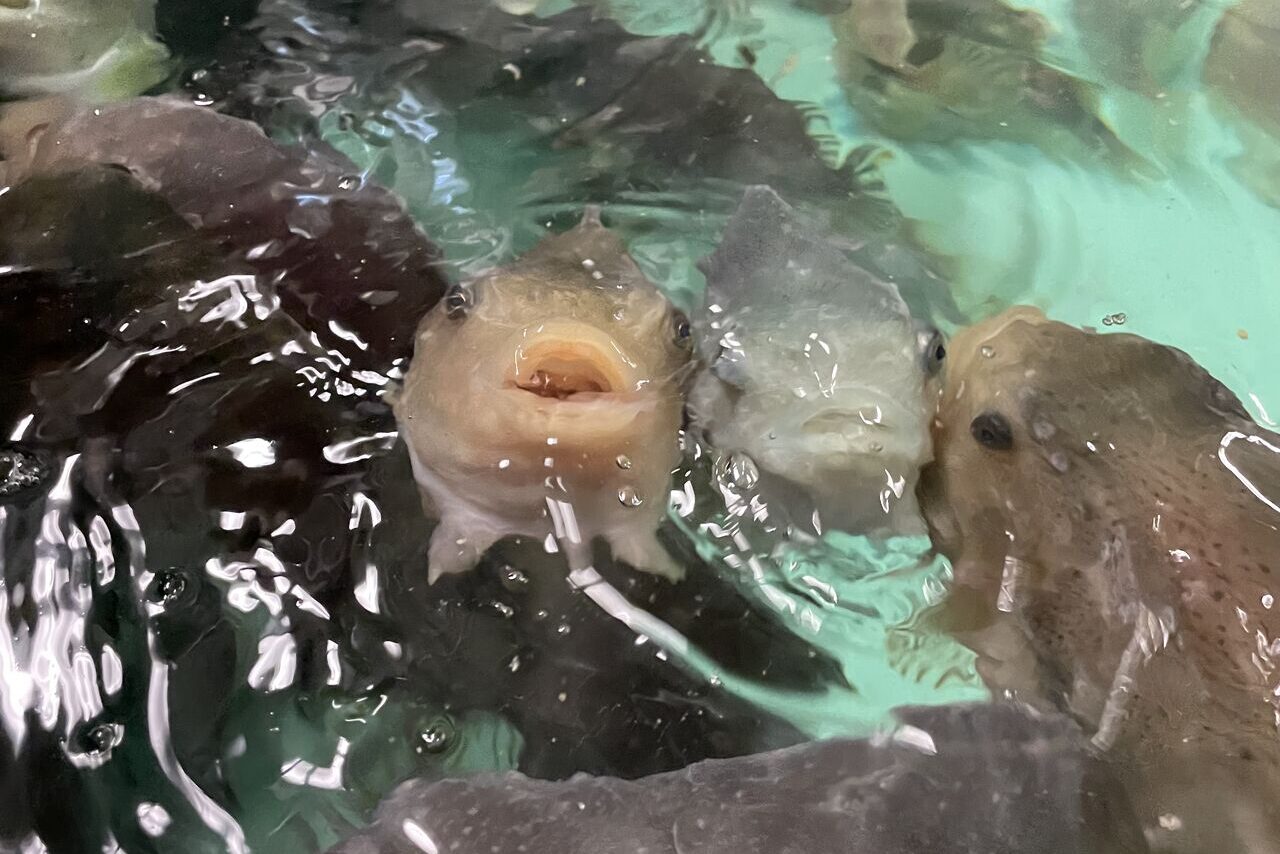
Lumpfish (Cyclopterus lumpus) have become essential in sustainable salmon farming as a biological control for sea lice. They are also adorable! This NRAC manual includes detailed instructions on:
- Broodstock conditioning and spawning
- Larval feeding and weaning strategies
- Biosecurity and disease management
It also presents best practices from both North American and Icelandic hatcheries, giving readers a comparative view on production approaches.
Download the Handbook:
3. Northeastern U.S. Aquaculture Management Guide
Running an aquaculture business involves more than just growing fish or shellfish—it means managing risk at every stage. This comprehensive 288-page guide is built to help producers in the Northeast identify, assess, and reduce those risks, whether they stem from biofouling, predation, disease outbreaks, or harmful algal blooms.
The guide includes:
- Templates for farm hazard assessments
- Checklists for daily monitoring and emergency preparedness
- Practical advice on gear maintenance, site selection, and insurance
- Region-specific insights on state-level regulatory responses
What makes it stand out is its emphasis on both biological and business continuity—so you’re not just protecting your stock, but also your long-term profitability. It’s especially useful for new shellfish farmers, expanding finfish operations, and educators teaching farm management.
Download the Guide:
About NRAC
The Northeastern Regional Aquaculture Center (NRAC) supports applied aquaculture research and outreach across 12 Northeast states and D.C. Funded by the USDA and authorized through the U.S. Farm Bill, NRAC focuses on projects with real-world impact, from farm productivity to public policy.
From 2005 to 2014 alone, NRAC invested $4.1 million across 32 projects with the following results:
- $79 million increase in regional GDP
- 777 new jobs created
- Over $9.5 million in federal tax revenue generated
- Nearly $33 million in additional grants secured
These projects—run in collaboration with Sea Grant and Land Grant institutions—continue to generate the tools, data, and guidance that fuel the U.S. aquaculture industry’s future.
Explore the Collection
You can find all 20+ new NRAC aquaculture fact sheets in the AIE Resource Library under “Educational Materials” They’re free to download, and we encourage you to share them with your network.
If you’ve found one especially helpful, post about it on the AIE! We’d love to hear from you.
Do you have resources you want to share with the AIE community? Use our upload resource form, or for larger batches contact us at admin@aquainfoexchange.org.
We will be uploading more fact sheets and guides from other Regional Aquaculture Centers in the near future. Stay tuned!

Responses