
A Snowstorm Detour to the Minnesota Sea Grant Aquaculture Lab

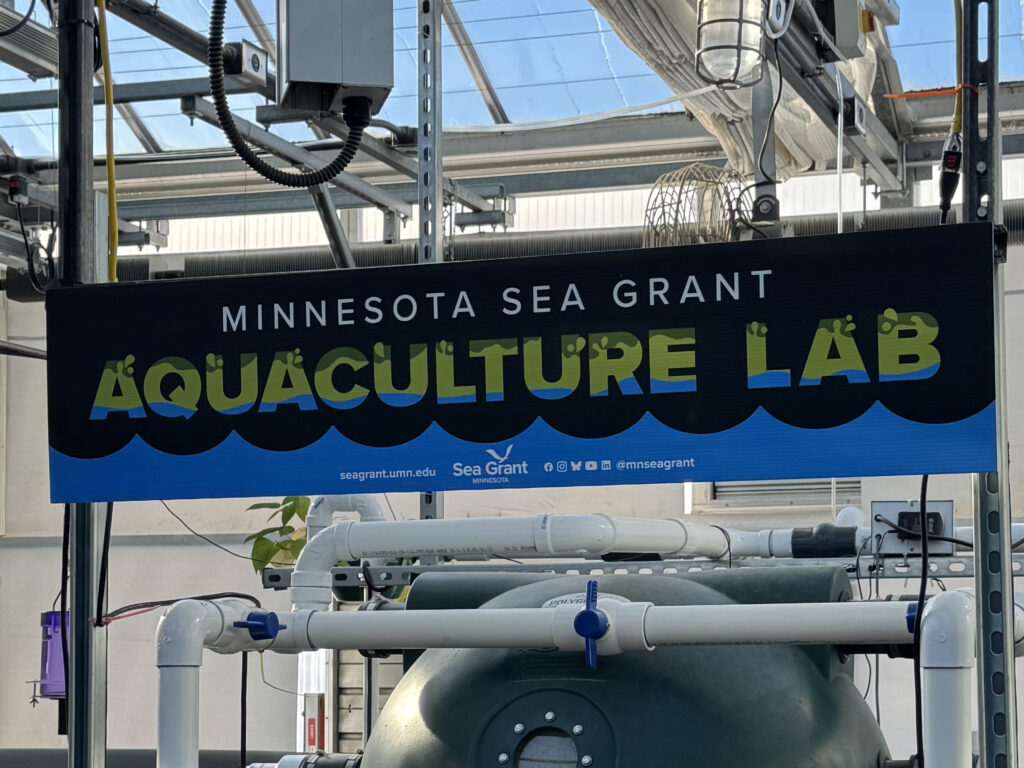
How did a Virginian end up in Minnesota—and what does that have to do with aquaculture?
This past week, I traveled to Wisconsin on behalf of the Aquaculture Information Exchange to attend the Wisconsin Aquaculture Association conference. Instead of a smooth trip back to Virginia, Winter Storm Iona had other plans for me.
Luckily, being part of the Sea Grant network means having people who look out for you. In my case, that was my former shellfish aquaculture mentor at William & Mary’s Batten School & Virginia Institute of Marine Science, Julia Grenn. Now serving as a fisheries & aquaculture extension educator for Minnesota Sea Grant (MNSG), she invited me to visit the MNSG Aquaculture Lab for a behind-the-scenes tour.
My answer was, of course, “you betcha.”
Lab Overview
Established in 2022 and housed on the University of Minnesota’s St. Paul campus, the MNSG Aquaculture Lab supports applied research, extension, and workforce development in aquaculture. It is the only facility in Minnesota dedicated to indoor aquaculture research and is driven largely by questions from fish farmers across the state.
Current Projects
The MNSG Aquaculture Lab is a fully indoor facility that uses both flow-through and recirculating aquaculture systems (RAS) to raise freshwater species, including yellow perch and golden shiners.
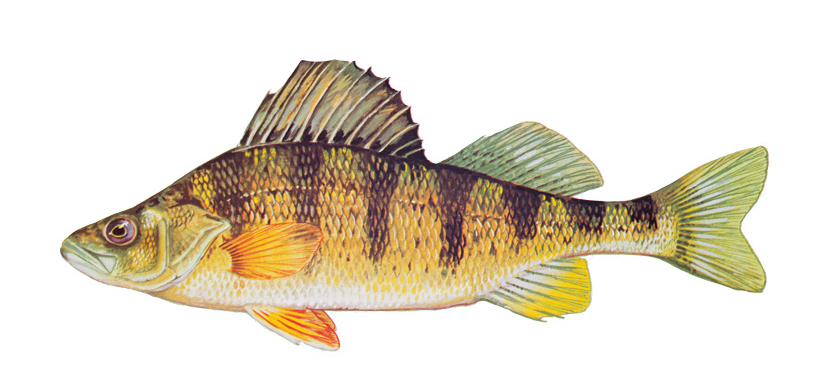
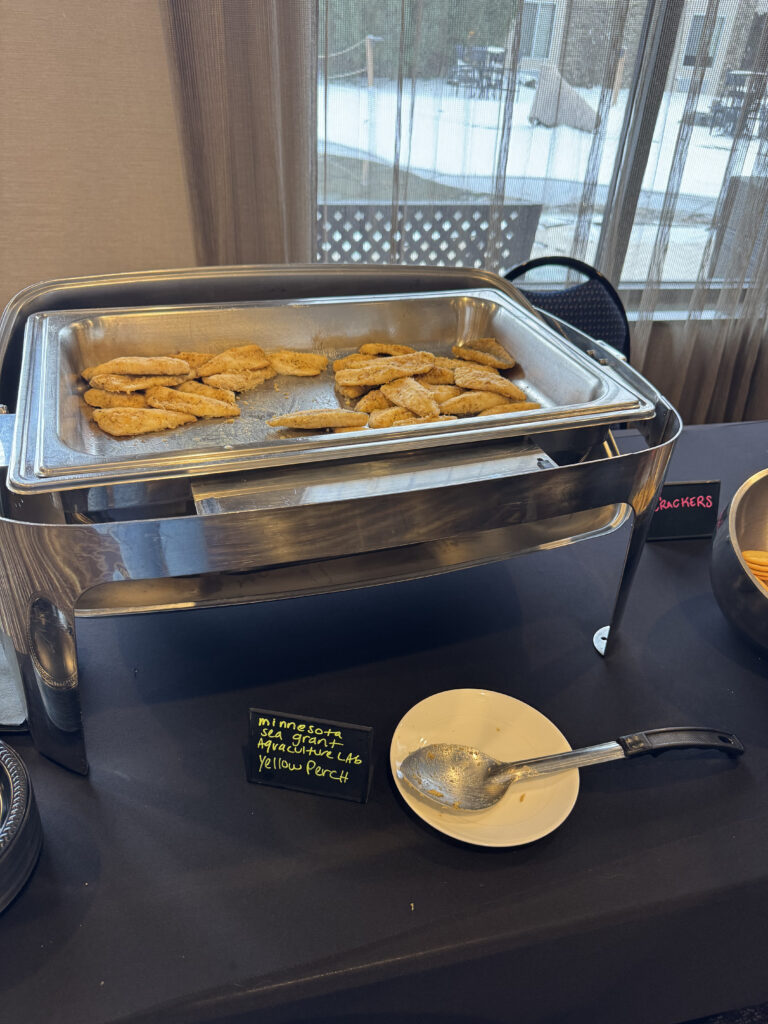
Yellow perch are grown in the MNSG Aquaculture Lab from egg to market size. Some are retained for outreach and educational events, while others are distributed to local fish farmers as fingerlings for grow-out and harvest in RAS. Filets from these perch even made an appearance at the Wisconsin Aquaculture Association conference reception, where they were prepared and served as an appetizer, bringing the farm-to-table concept full circle.
“The MNSG Aquaculture Lab is the only source of biosecure fingerlings [disease-free small fish] in Minnesota, and we provide these fish free of charge to growers like the Women’s Environmental Institute,” said Grenn.
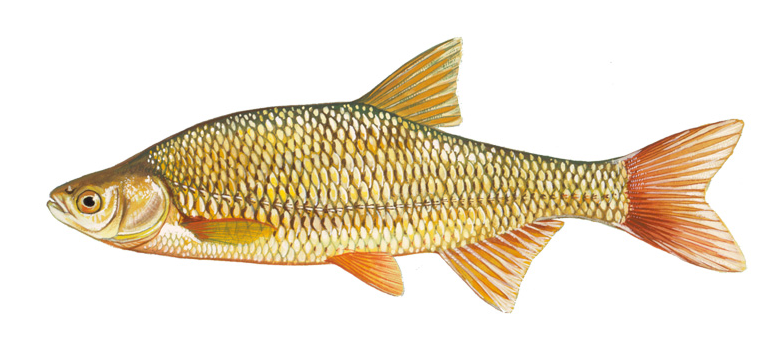
The lab also partners with the Minnesota Department of Natural Resources to culture golden shiners, a native species widely used as bait fish. This work plays an important role in supporting Minnesota’s multibillion-dollar recreational fishing industry.
Outreach Initiatives
Translating research into accessible, engaging outreach is central to the lab’s mission. The MNSG Aquaculture Lab offers public tours, hosts teacher workshops, and creates opportunities for stakeholders across the aquaculture community to connect.
“I enjoy giving people the chance to see fish in a different setting than they usually do; typically, they only see them at the end of their rod and reel or on their dinner plate,” said Giovanni Molinari, aquaculture extension associate at Minnesota Sea Grant. “By taking them through the lab, we can show them larval and juvenile fish of species they are used to only seeing as adults, so it’s great to give them some unique experiences when they tour.”
One standout area is their work in aquaponics. Lab interns design and build small-scale aquaponics systems using affordable, accessible materials that can be sourced from local hardware stores. During my visit, I even had the chance to taste a green bean and a strawberry grown using these systems.
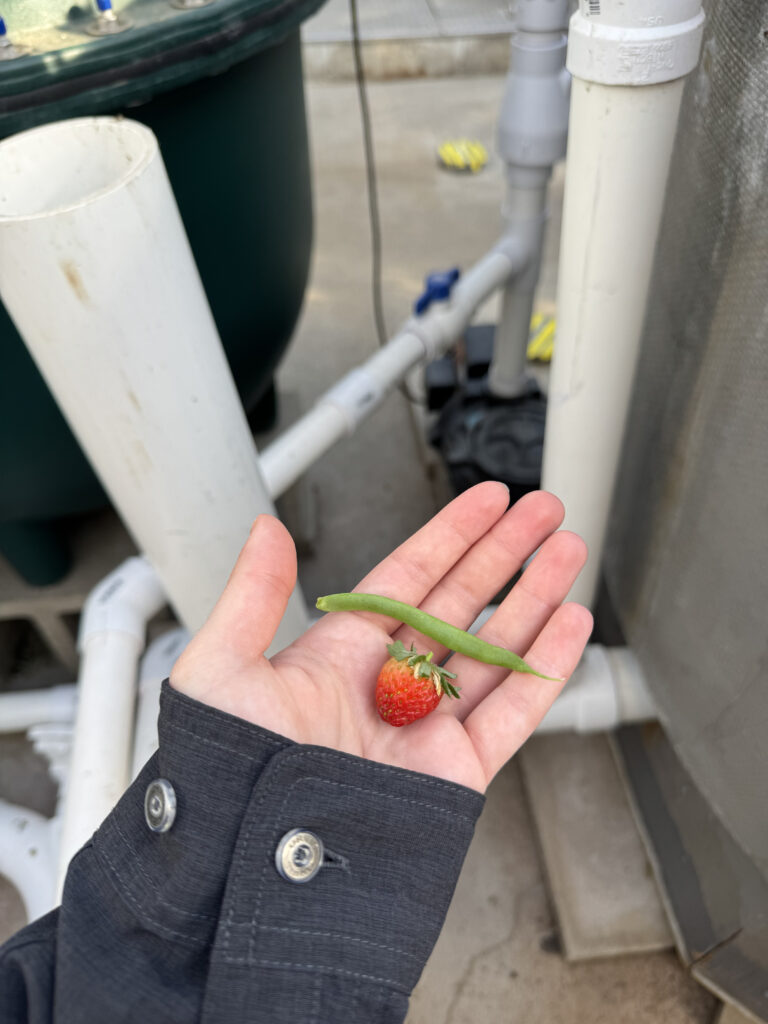
“These tours highlight the accessibility of aquaculture and aquaponics as an industry or just as a hobby by showing them some larger-scale systems, and small-scale systems that are made of a couple of Rubbermaid containers and a submersible pump,” said Molinari.
In 2025, the lab launched Aquaculture Decision-Maker Day, a one-day event that brought together legislators, agency leaders, fish farmers, researchers, and industry members. The event included facility tours, a locally sourced seafood lunch, and dedicated time for producers to engage directly with decision-makers, ensuring that industry perspectives are heard in policy discussions.
Training Program
Workforce development is another cornerstone of the MNSG Aquaculture Lab’s mission. Since 2022, the lab has supported 19 students through various opportunities, including internships and technician positions. This program helps build a skilled workforce ready to enter the aquaculture industry with practical knowledge, reducing the need for extensive on-the-job training and strengthening the sector overall.
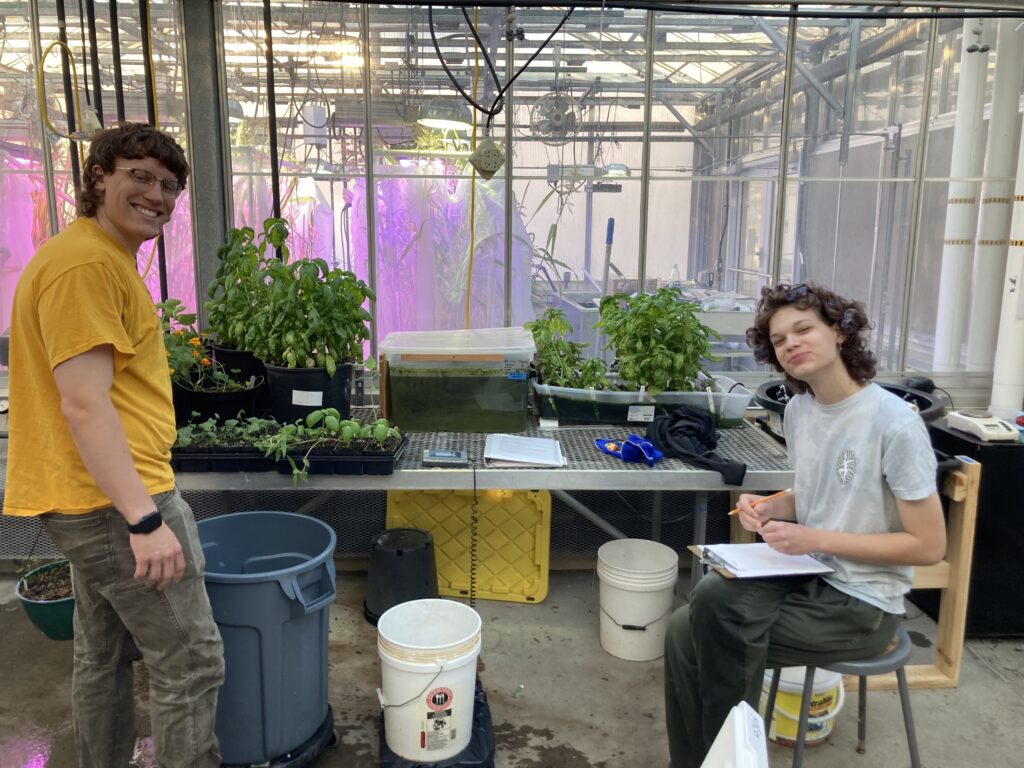
“As an aquaculture and fisheries intern, I like doing my part in larger projects that go on to help farmers, fishermen, and everyday people,” said Emelia Brinkley, a fisheries and aquaculture intern with the MNSG Aquaculture Lab. “I’m learning a lot about how to care for and maintain aquaponic systems, the effects of water quality on individual fish species and larger aquatic ecosystems, as well as how to care for different fish at various stages of their life cycle.”
The MNSG Aquaculture Lab is a vital resource for advancing sustainable fisheries and aquaculture in Minnesota. My visit offered an inside look at how applied research, outreach, and workforce development come together to support a growing industry.
“The MNSG Aquaculture Lab and working in Sea Grant Extension gives me the platform to help all different types of people, and I love that applied science can provide immediately actionable results,” said Grenn. “I feel like I can make a significant impact in someone’s life by finding solutions to real-world challenges and sharing that information directly with communities in Minnesota and the greater Great Lakes Region who need answers.”
If you ever find yourself in the St. Paul area, I highly recommend reaching out for a tour. It is an opportunity to see firsthand how innovation and collaboration are shaping the future of aquaculture. Because sometimes, when life gives you a snowstorm, you end up touring an aquaculture lab in Minnesota.
To learn more, request an in-person tour, or for any interest in working with the MNSG Aquaculture Lab in the future as an intern or technician, visit the MNSG Aquaculture Lab website.
If your aquaculture farm or lab would like a featured article on the AIE, please email Madelyn Balser @mbalser (mbalser@vaseagrant.org) to schedule a meeting or facilitate an in-person visit.
Story by Bayleigh Albert | Virginia Sea Grant
Published April 1, 2026


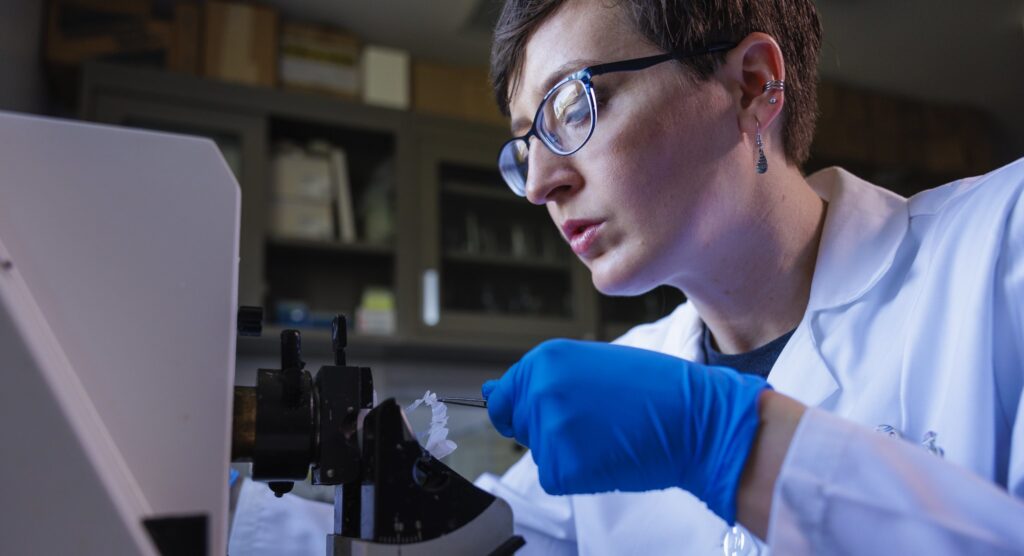
Thank you for hanging with us at Minnesota Sea Grant! We loved getting to show you around our lab!