
🎓 Expanding Aquaculture Access in Higher Ed

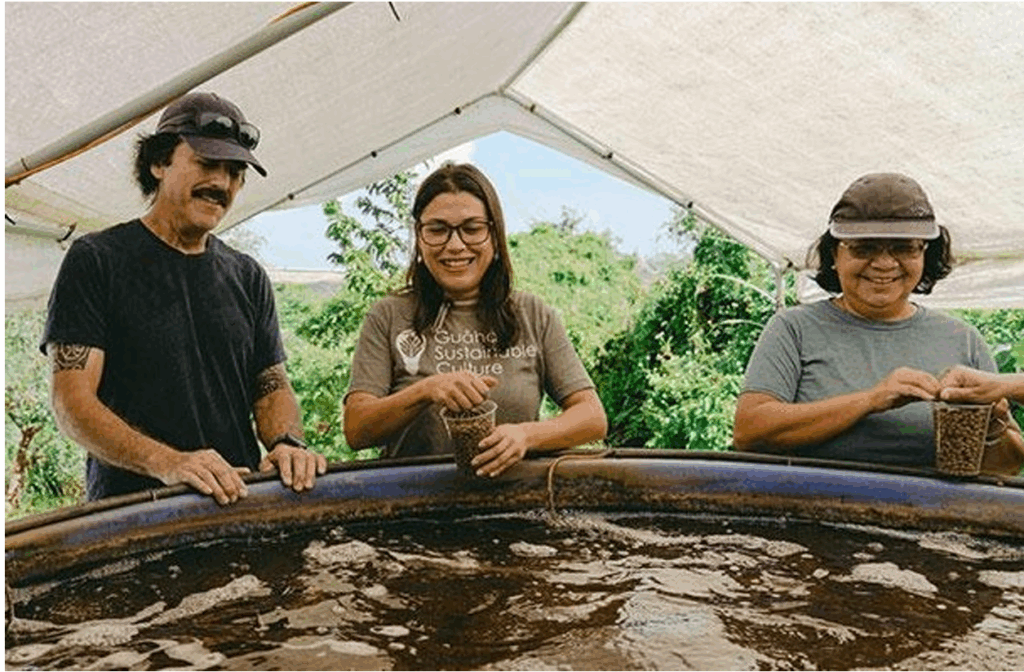
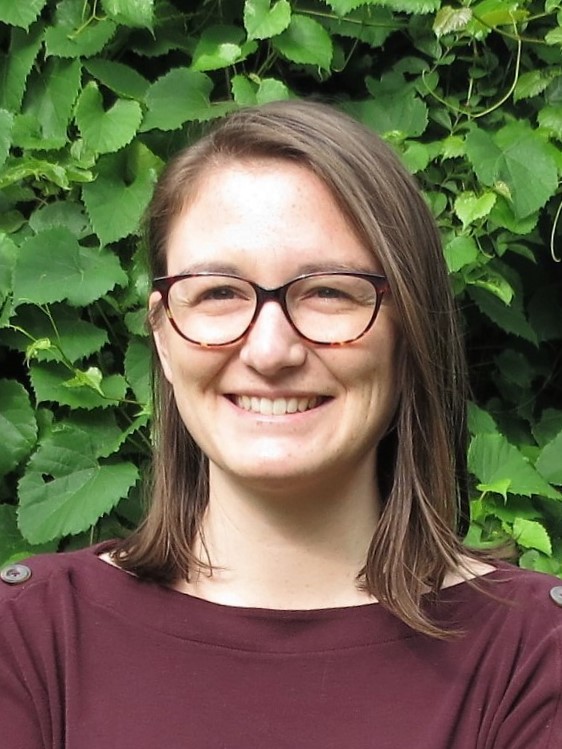
What does aquaculture look like at Minority Serving Institutions—and what could it become with the right support? Former NOAA Knauss Fellow Kaitlyn Theberge set out to answer that question in a national needs assessment, drawing on interviews with faculty and staff across the country. In this guest post, Kaitlyn shares key insights from her report (which you can read here) from current program strengths to the top resources and partnerships MSIs are seeking to expand their aquaculture efforts. Enjoy!
A little over a year ago I completed a NOAA Knauss Fellowship and wrote “A Needs Assessment of Aquaculture at Minority Serving Institutions.” This document contains what I learned from faculty and staff doing aquaculture at Minority Serving Institutions (MSIs) about what they currently do, what they’d like to be doing, and what they need to achieve their goals. The purpose of gathering this information was to provide a general overview and identify areas of need that, if addressed, could help expand engagement in aquaculture at Minority serving colleges and universities across the country. MSIs are higher education institutions that are designated by the federal government as serving over a certain percentage of students with a specific minority identity, such as a Hispanic Serving Institution (HSI) or Alaska Native and Native Hawaiian Serving Institution (ANNH). These designations may change over time to reflect new student populations.
The results of the report shed some light on what MSIs are already doing and what could be most helpful to them as they grow their aquaculture capacity. Of the respondents that said they had aquaculture programs, extension, and/or research programs, and they most wanted to expand through partnering with industry, other colleges and universities, and Sea Grant Programs. Respondents also emphasized the importance of supporting students through paid experience in aquaculture, travel support, and understanding what kinds of opportunities are available for them after graduation. While their students may be pursuing education at any level, most said their students are pursuing a Bachelor’s degree, and many continue their aquaculture education after graduation.
Funding needs included support for starting a new aquaculture program, growing current programs, student research, and paid internships. Currently, most programs receive funding from their college or university, the US Department of Agriculture, or private donations.
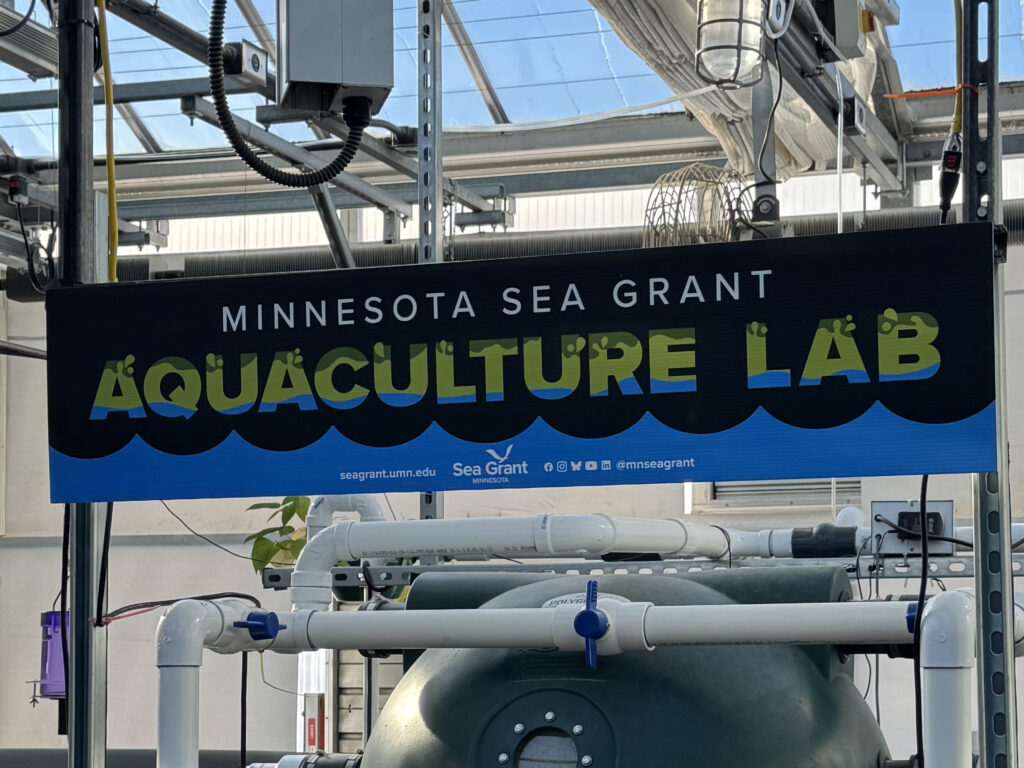
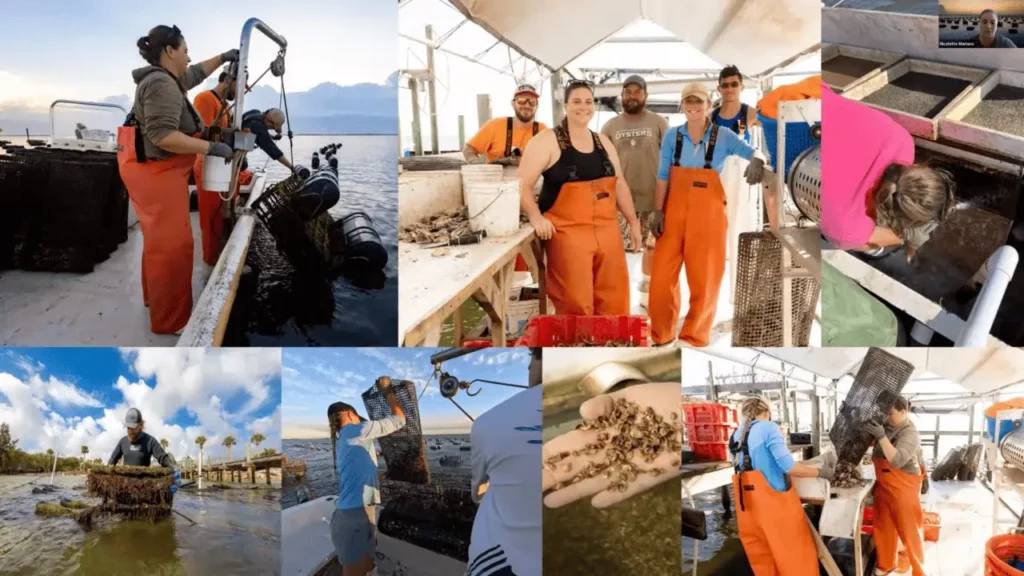
MSIs are most commonly working with shellfish, freshwater fish, crustaceans, and marine fish. Recirculating aquaculture systems (RAS), lab space, and greenhouses were commonly used, but respondents said that what they needed were farm leases, feed or feed-making equipment, and post-harvest processing abilities. They also expressed the need for having enough people to run operations. Several people also hoped to improve their existing facilities which were in need of an update.
We often see how food brings people together, and I feel as though many of the folks who participated in this report were really motivated to use aquaculture as a vessel for connecting more with the community, with industry, and most of all, with their students. Many of the folks I talked to already do numerous community activities or have connections to help their students learn and find employment. Of those that didn’t already have these connections, they wanted to know how to build new relationships and networks. There is so much potential for growth in aquaculture by supporting MSIs, and I hope that these conversations continue on into the future.
For more information, read the full report here: https://seagrant.noaa.gov/wp-content/uploads/2024/10/A-Needs-Assessment-of-Aquaculture-at-Minority-Serving-Institutions_Oct-2024_508.pdf

Thank you for sharing! One challenge we have faced on this topic is less about the community and more about institutional resources and mentality. I look forward to reading the full report.