
ECONOMIC IMPACTS OF DISASTER AND ECONOMIC EVENTS ON AQUACULTURE: 2020-PRESENT

Dr. Posadas is developing three approaches to measuring the joint and individual impacts of man-made and natural disasters, global pandemics and recessions, the U.S.-China trade war, and recent increases in fuel prices on commercial aquaculture production and farmgate values.
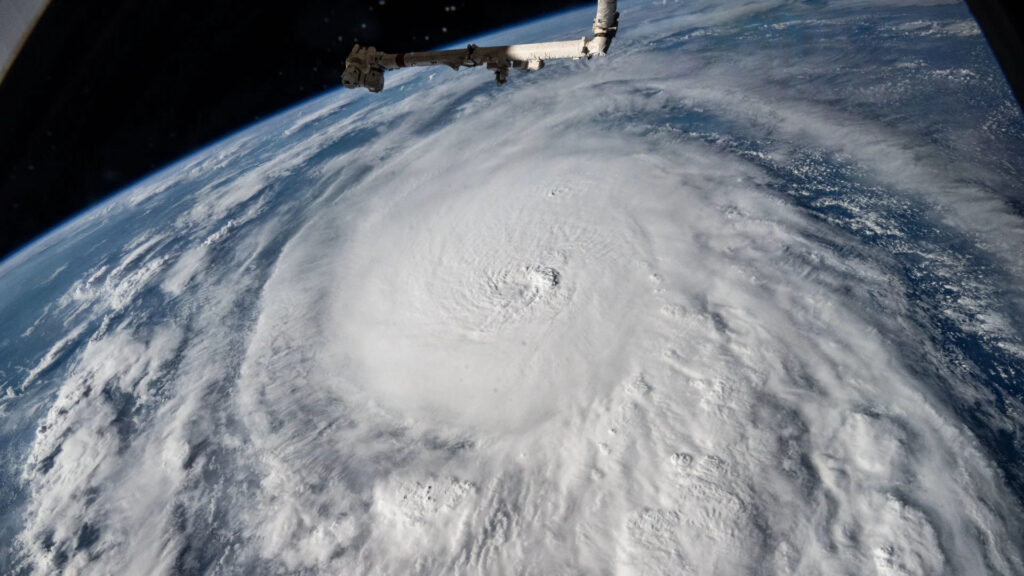
Recent disasters included major hurricanes, the Bonnet Carre Spillway (BCS) openings in 2011 and 2019, and harmful algal blooms. The COVID-19 pandemic was declared a national emergency in the U.S. on Mar.13, 2020.
The U.S. economy was in recession from Feb. to June 2020. The U.S.-China trade war started in July 2018 when the US imposed tariffs on $34 billion of Chinese goods. China reciprocated by imposing equivalent tariffs on U.S. exports. Fuel prices rose to more than $4 per gallon in early 2022.
The first two approaches develop and estimate AQUACULTURE PRODUCTION ASSESSMENT MODELS (APAM). The APAM models assume that time, BCS openings, hurricanes, COVID-19, recession, the US trade war with China, unemployment rate, and fuel prices significantly influence production.
The first APAM model estimates total losses from actual and predicted values. The second APAM model estimates total losses from predicted and no-disaster values. The third economic model is the Mean-Difference model, which estimates total losses from current and previous years’ benchmark values.
These models are also used to predict future values of aquaculture production by major aquaculture species.
Informational video presentations are posted on the Marine Aquaculture Outreach YouTube Channel. https://www.youtube.com/playlist?list=PLB0D9oT09EZKQiEP-riQvzJ7FriOc9914.



Responses