
✍️ Guest Post: Future of the BAP Feed Mill Standard

Originally published in the Global Seafood Alliance Newsletter – April 1, 2025
Reposted with permission
The following is an excerpt from a letter written by GSA’s Steve Hart. Click here to read the letter in full on our blog.
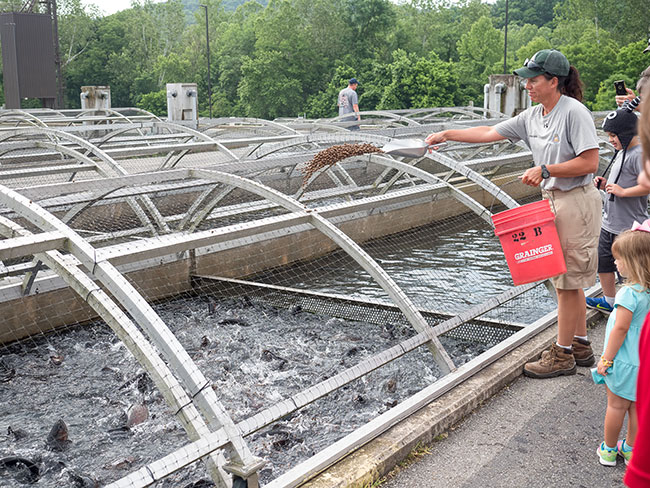
Let’s take a moment and look at where everything in the aquaculture supply chain truly begins: feeds. I think it’s widely recognized that the Best Aquaculture Practices (BAP) certification program involves audits of hatcheries, farms, processing plants and feed mills, but we don’t spend enough time talking about the feeds themselves and where the ingredients are from.
In leading GSA’s Market Development team, I work with stakeholders from the entire seafood supply chain, from both the farmed and wild sectors. With a Ph.D. in fish nutrition and experience working with the soy industry and feed companies, aquafeeds will always be an issue that I’m passionate about.
All GSA stakeholders should know how seriously we take feed issues, as they reside at the intersection of fisheries and aquaculture. I am proud that GSA has incorporated responsible sourcing requirements into its standards and was an early adopter of adding certified soy and palm oil requirements.
👉 Read the full message from Steve Hart on the GSA blog
—
A big thank you to our colleagues at the Global Seafood Alliance for allowing us to share this message with the AIE community. If you’re interested in doing a guest post on the AIE blog, contact us to learn more about how to share your insights with the AIE network.


Responses