
💡 Member Spotlight: Matthew LaGanke

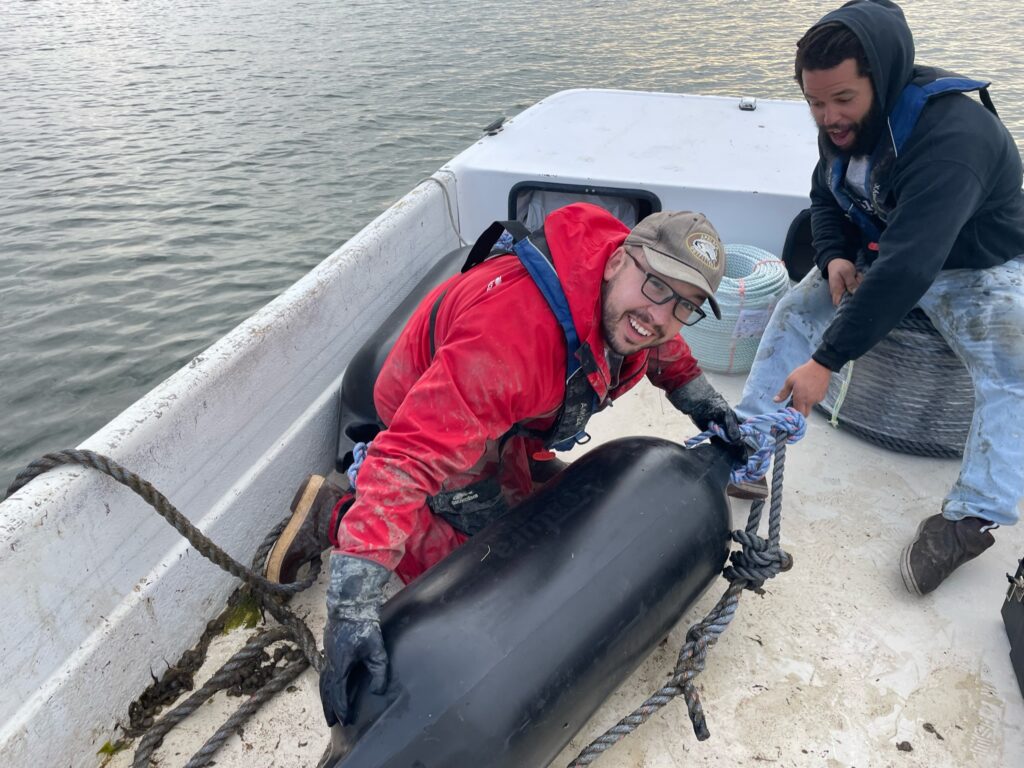
We’re excited to feature Matthew LaGanke, PhD candidate at the Batten School & VIMS, in this member spotlight post! Matt was one of the 2024 AIE Award Winners, receiving the Student Standout award! We are thrilled to showcase his work in shellfish aquaculture and his passion for workforce development.
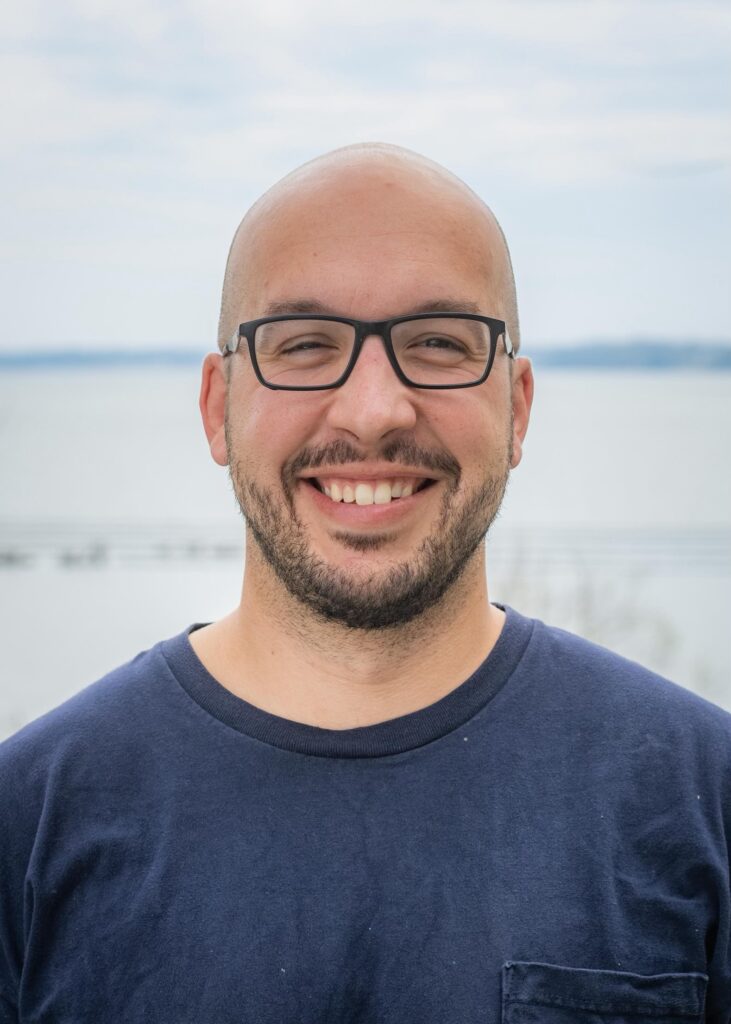
AIE: Can you tell us about yourself? What are you studying at VIMS?
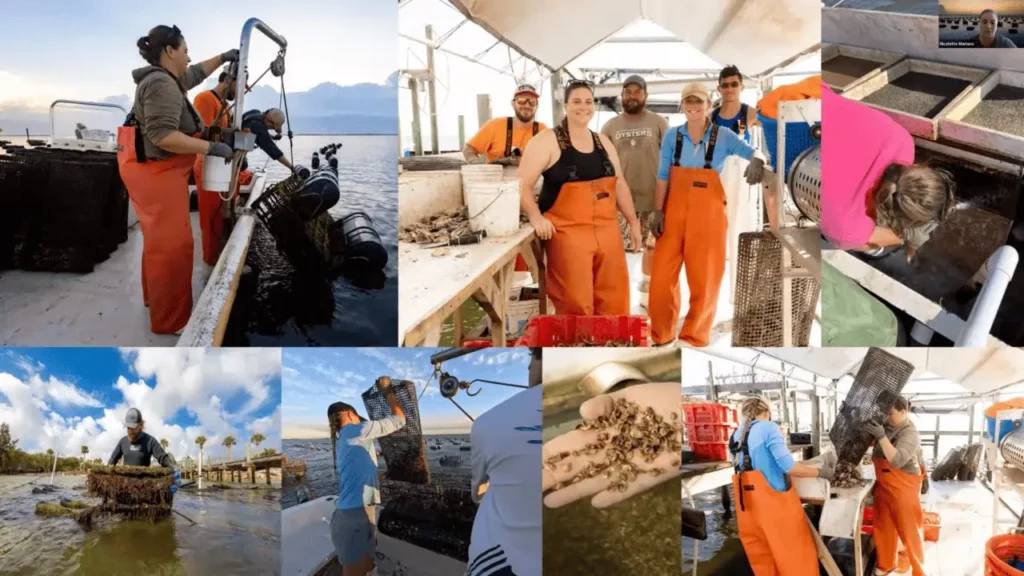
Matt: After working as an oyster and bay scallop conservation biologist in Florida, I transitioned to shellfish aquaculture, inspired by its potential as a sustainable and impactful food source. Now, as a fourth-year PhD candidate at VIMS studying commercial shellfish aquaculture, my work focuses on farmers’ needs, investigating production challenges, and exploring how data-driven tools can help improve farm management decisions. Through this work, I aim to address some of the real-world challenges in shellfish farming, working alongside farmers to support their success and strengthen the resiliency of the industry’s future.
AIE: What is the most rewarding part about studying shellfish aquaculture?
Matt: Initially, I was drawn to shellfish for their environmental benefits–water filtration, habitat provisioning, nutrient removal, and carbon capture. While working on shellfish conservation in Florida, I felt a need to take a more proactive role in increasing the number of shellfish to our waters, thereby amplifying the incredible ecosystem services they provide. This drive led me to shellfish aquaculture, where I’ve had the privilege of collaborating with shellfish farmer across all US coasts. I’m continually inspired by their resilience, innovation, environmental stewardship, and collaborative spirit in tackling the industry’s pressing challenges. For me, working alongside such dedicated individuals is the most rewarding part of studying shellfish aquaculture.
AIE: What did your time as President of the Aquaculture Collective teach you about sharing aquaculture with the undergraduates at William & Mary, along with the broader community?
Matt: Aquaculture is filled with complex interdisciplinary challenges that require diverse perspectives to collaboratively solve. I founded the Aquaculture Collective (AquaCo) in aim of connecting the aquaculture expertise at VIMS with the passionate and curious students of William & Mary (W&M). Recognizing that W&M undergrads currently have limited exposure to aquaculture through the marine science minor, AquaCo serves to help bridge this gap by offering hands-on learning, informal educational events, and professional development opportunities. Serving as president taught me that building lasting bridges across traditional silos is essential to advancing the field. Expanding awareness and involvement in aquaculture is key to driving success. Since AquaCo’s inception, multiple students have pursued aquaculture opportunities beyond the group, which, for me, is the most rewarding part.
AIE: If an undergraduate was interested in studying shellfish aquaculture, what advice would you give them in terms of where to start?
Matt: Great question! If you’re interested in aquaculture, or any field, start with the basics:
- Read: Learn the fundamentals to understand the field better.
- Ask: Reach out to professionals, share what you’ve learned, and ask thoughtful questions. If interests fade, explore other areas or revisit step 1.
- Do: Seek hands-on experiences like volunteering on a farm or in a hatchery.
Reading about aquaculture is one thing, imagining yourself in the field is another, and experiencing it firsthand is completely different. These steps should help you determine if aquaculture is the right path for you. If it’s not, you’ve gained clarity and can confidently explore other interests. If it is, your involvement will likely open doors to more opportunities. Be proactive–great things rarely fall into your lap!
AIE: When you’re not busy writing your dissertation, what do you enjoy doing in your free time?
Matt: I’ll admit, I’m not great at maintaining work-life balance, but over the past few years, I regularly do a few activities to help me reset. Kayak fishing, watching sports, working out, reading for pleasure, and spending time with friends are my go-to pastimes. Working out and kayak fishing act sort of like “brain resets.” Kayak fishing lets me reconnect with nature while pursuing the fun challenge of catching a fish. Working out, on the other hand, provides a sense of accomplishment, even on tough days where everything else isn’t going right. I’ve learned to prioritize working out as a way to stay grounded.

Responses